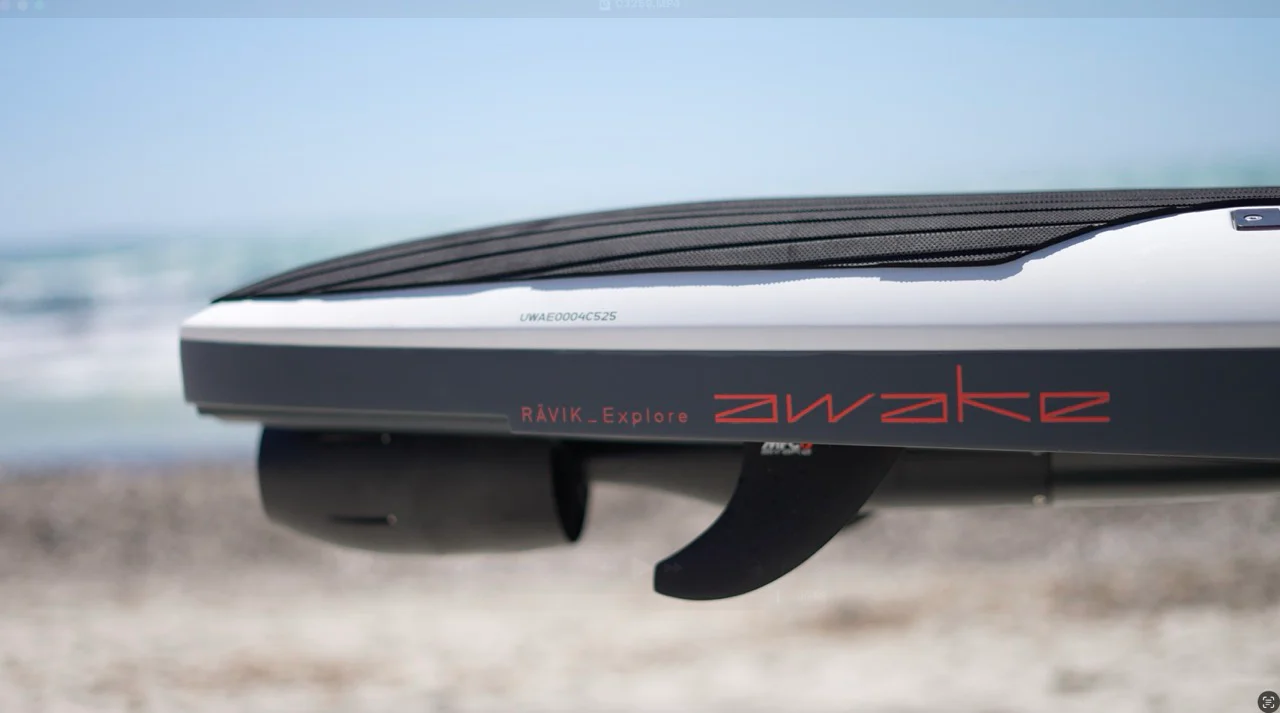
Most people start shopping for an electric surfboard with a video in their head: a rider at full speed, spray everywhere, a perfect turn. It is a good reason to be interested. It is a poor way to choose. The board that suits you depends far more on how and where you will actually ride, who will ride it with you, and how easily you can get it to the water. These are the questions worth working through before you buy.
Start with an ordinary week
Picture a normal week in summer rather than your best day of the year. Will you ride for half an hour before work on a calm bay, spend long afternoons off the back of a boat, or take the board away on holidays? Short, frequent sessions favour a board that is quick to get going and easy to handle. Long days at anchor favour stability and comfort for riders of every level.
Top speed matters less than it seems. Much of your riding, especially in the first season, will happen well below the maximum. A board that feels composed at cruising pace will give more pleasure than one that only comes alive when it is flat out.
Jetboard or eFoil
This is the first real fork in the road. A jetboard rides on the surface and launches in shallow water. An eFoil rises above the water on a hydrofoil and needs more depth under the board. They feel quite different and are learned differently. Our comparison of jetboards and eFoils explains the trade-offs in detail, so it is worth reading before going further.
Within the Awake range, the RÄVIK Explore is the most approachable jetboard, and our guide to who the RÄVIK Explore is for goes deeper on that board. For an eFoil, the VINGA Carve is an all-round board designed to balance relaxed cruising with confident carving.
Who else will ride it
An electric surfboard rarely stays with one person. Partners, children old enough to ride and visiting friends all want a turn. If the board will be shared between beginners and confident riders, choose something stable that a newcomer can enjoy slowly. If you are an experienced rider buying mainly for yourself, you can lean towards performance.
Where you will launch
Think about the water you will ride most. Is it sheltered or exposed to chop? Shallow near the shore or deep from the start? Is there a beach or ramp you can walk to easily? A jetboard copes well with shallow launches and rougher surface water. An eFoil is at its best on sheltered water deep enough for the foil.
Rules for where electric craft can launch and ride differ between waterways and councils. Check with your local authority for the places you have in mind before you rely on them.
Getting it from the car to the water
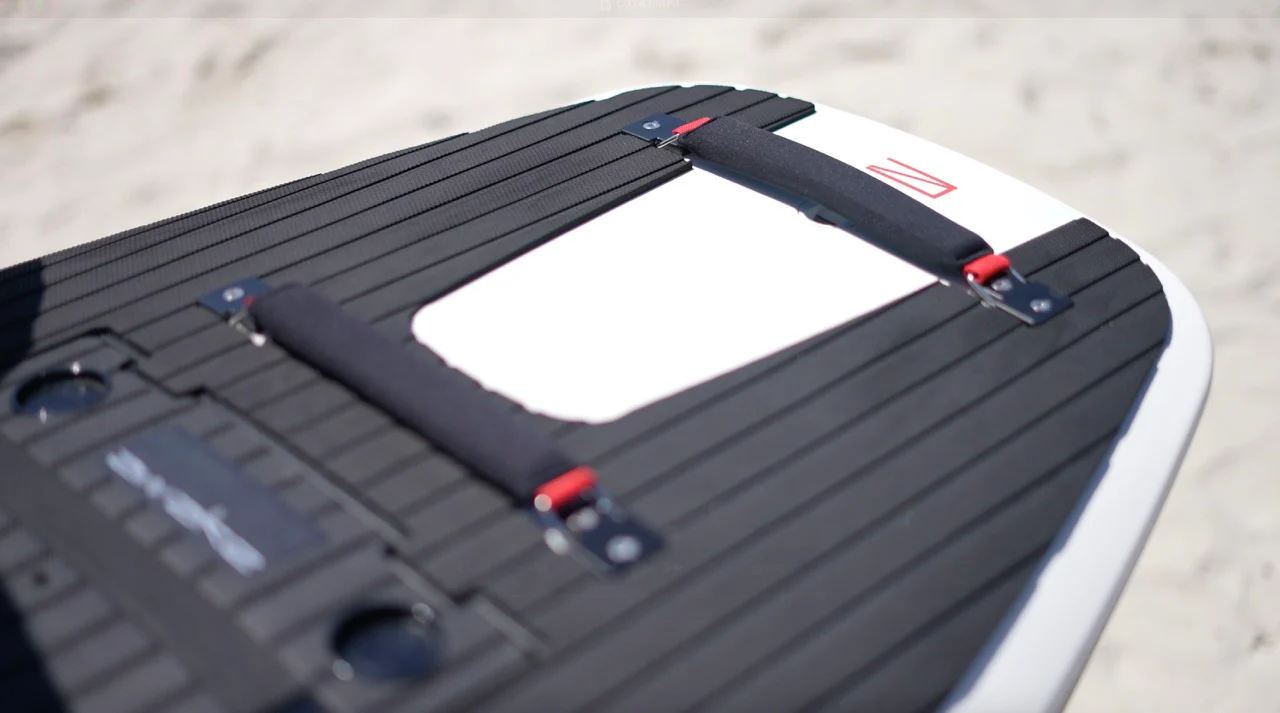
This is the part that surprises people. An electric surfboard is a substantial piece of equipment, and when you compare weights, check what each figure includes. A board-only weight leaves out the battery, which is a heavy component in its own right. The weight of the complete system, ready to ride, is what you will actually carry. Carrying the board and battery separately makes the job far more manageable. Look at the distance from your parking spot to the water and whether two people will usually be on hand.
What comes in the box
When you compare prices, make sure you are comparing the same thing. Ask whether the package includes:
- the battery, and which battery
- the hand controller
- the charger
- a board bag
- fins, or for an eFoil the mast and wing set
Some packages are designed for owners who already have a compatible battery. That can suit a second board, but for a first purchase you will usually want everything needed to ride on day one.
Try it first
Riding before you buy is the single most useful step. A private demo with our team lets you try specific models on the water and ask questions as you go. Useful things to find out on the day:
- How stable does the board feel at low speed?
- How easy is it to get up and keep going?
- How does it feel to carry the board and battery?
- Which battery suits the way you want to ride?
AWAKE Sessions, our coached jetboard experience, is planned for the Gold Coast first and is not yet open for bookings. You can join the waitlist to hear when it opens. Our article on trying an electric surfboard before buying explains how Sessions and demos differ.
Owning one
A good electric surfboard will give years of riding if it is looked after. Ask about warranty terms, where servicing happens and how support works if something needs attention. Day-to-day care is simple but it matters: rinsing after saltwater, drying, inspecting and charging correctly. Our owner guides set out the routine for each model, and our article on what an electric surfboard is like to own covers life with a board beyond the first ride.
If you would like help narrowing it down, talk to our team. Tell us where you ride and who will be riding, and we can point you towards the right board.